Silksong in 2026: A Metroidvania Homecoming for One Ordinary Player
Posted: Wed Nov 25, 2026 5:40 am
By 2026, Hollow Knight: Silksong is no longer a rumor, a meme, or a communal waiting room; it is a finished game that Team Cherry shipped after seven years of development and roughly six years of post-announcement patience. An ordinary player can now boot it up, guide Hornet through Pharloom, and feel the strange whiplash of a wait that lasted long enough to become its own hobby. The launch-day chaos is history, but the afterglow remains. Silksong did not just arrive; it closed a loop that began with childhood trips through Castlevania and Metroid, then reopened it with a needle, a bell, and a kingdom built on silk and secrets.
The Wait Became a Strange Kind of Party
Long development cycles are usually described as pain, and they can be. Yet the wait for Silksong became something rarer: a shared online pastime. Memes, silkposting, fake release dates, and elaborate jokes turned the delay into a community project. The seven-year wait was less a countdown than a communal campfire, with strangers tossing memes into the flames to keep the dark at bay. That is why the finish line felt bittersweet. The game was finally here, but the party around the waiting had to end. Fortunately, booting up Silksong erased the sadness almost immediately. The conversation moved from when to how, and from speculation to route planning, boss complaints, and delighted lore hunting.
A Map Back to Castlevania, Metroid, and Saturday-Morning Wonder
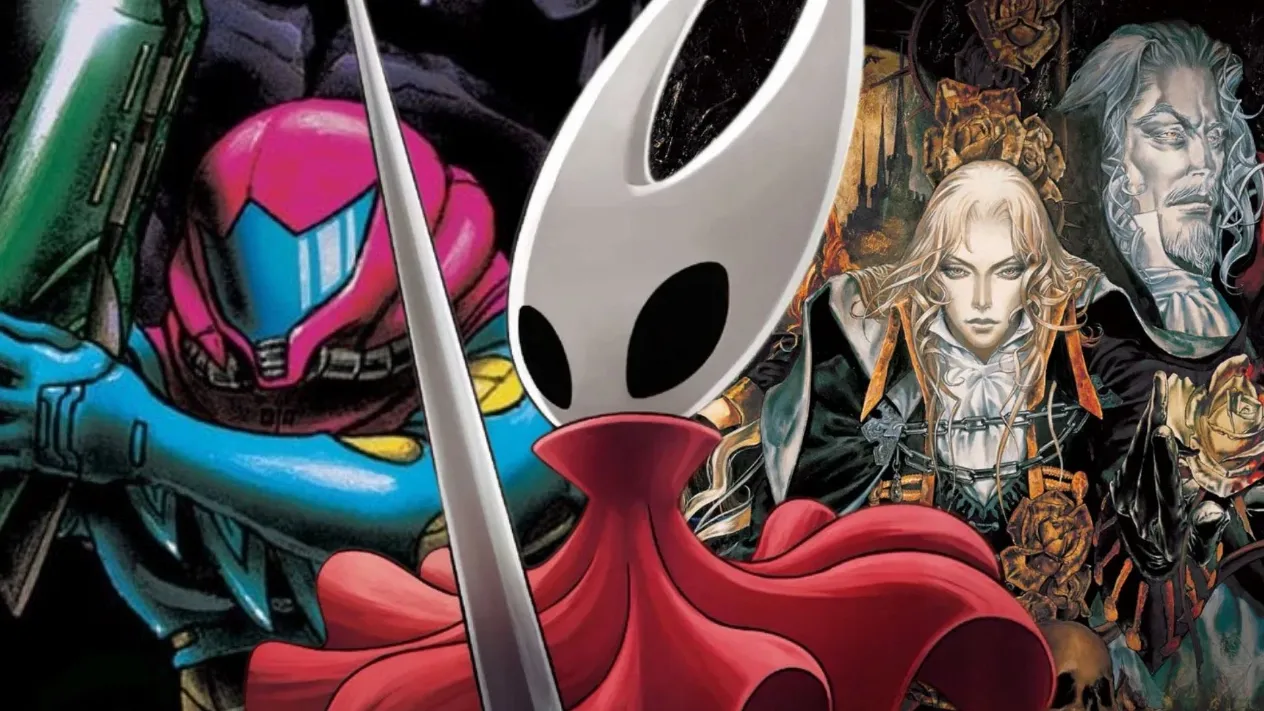
For one longtime player, the earliest gaming memories sit in the late 90s and early 2000s, when an older cousin introduced Castlevania: Symphony of the Night and Super Metroid. Those games opened a door that had not been visible before: a world of interconnected rooms, hidden paths, moody atmospheres, and abilities that changed how the map itself could be read. The experience was formative enough that the two franchises eventually lent their names to an entire genre: Metroidvania. A few years later, the PS2 and Game Boy Advance era brought Jak & Daxter and Metroid Fusion, which deepened a love of platforming even when the games were not strictly Metroidvanias.
That history matters because solid platformers are harder to find in the 2026 landscape. They are not extinct. Astro Bot and indie titles such as Planet of Lana prove that careful movement and playful level design still have a pulse. But open-world RPGs and live-service games currently dominate the spotlight, and the platformer sometimes feels like a guest at a much louder party. The table below sketches the path:
Era
Touchstone
What it taught
Late 90s to early 2000s
Castlevania: Symphony of the Night, Super Metroid
Interconnected maps can feel like living puzzles
2000s handhelds and consoles
Metroid Fusion, Jak & Daxter
Movement and platforming can carry a whole identity
2017
Hollow Knight
A small indie game can revive an old love with confidence
2025 to 2026
Hollow Knight: Silksong
Challenge, mystery, and Hornet’s agility can make the genre feel new again
Silksong’s Difficulty Is a Dance on a Tilting Deck
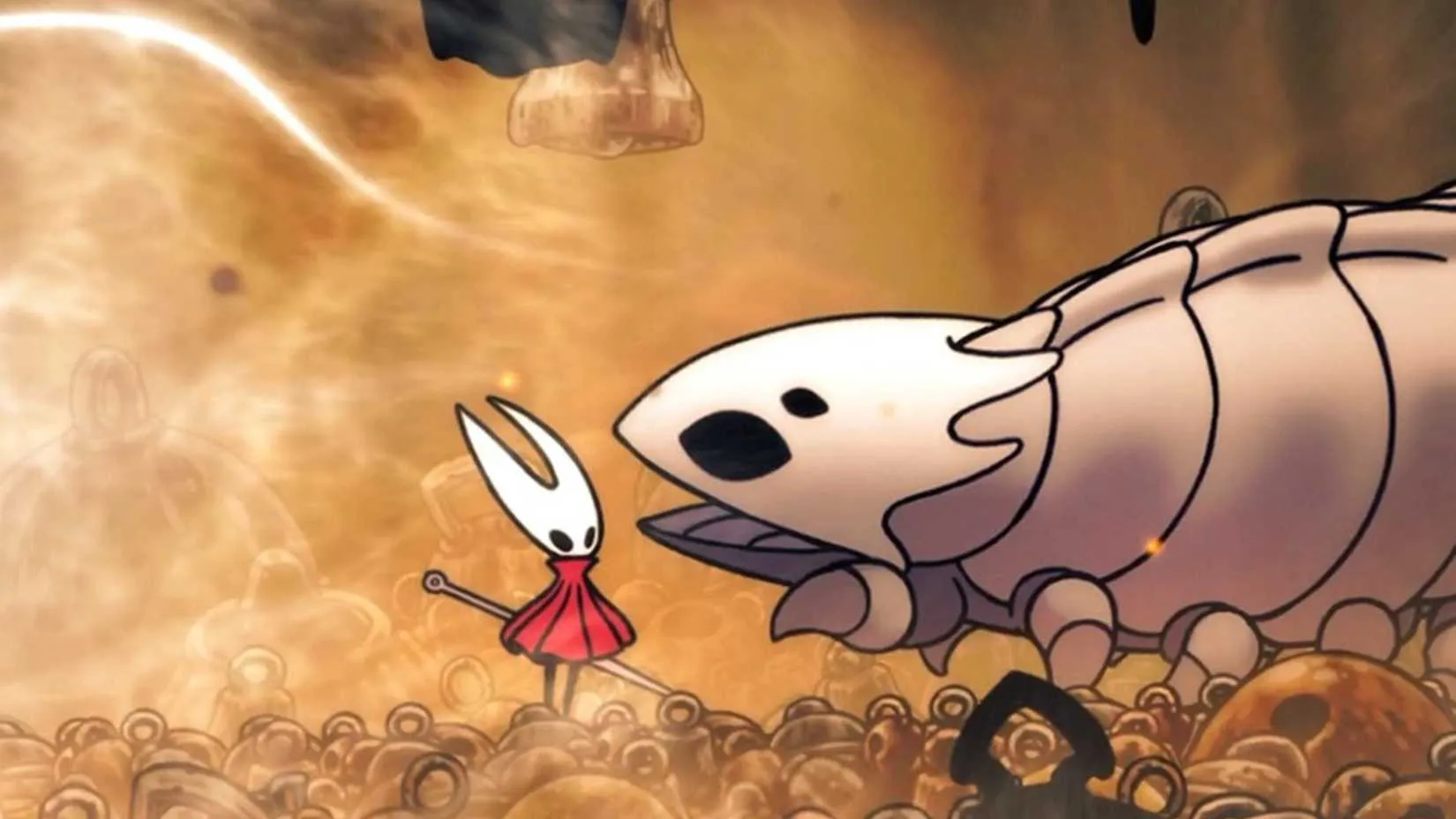
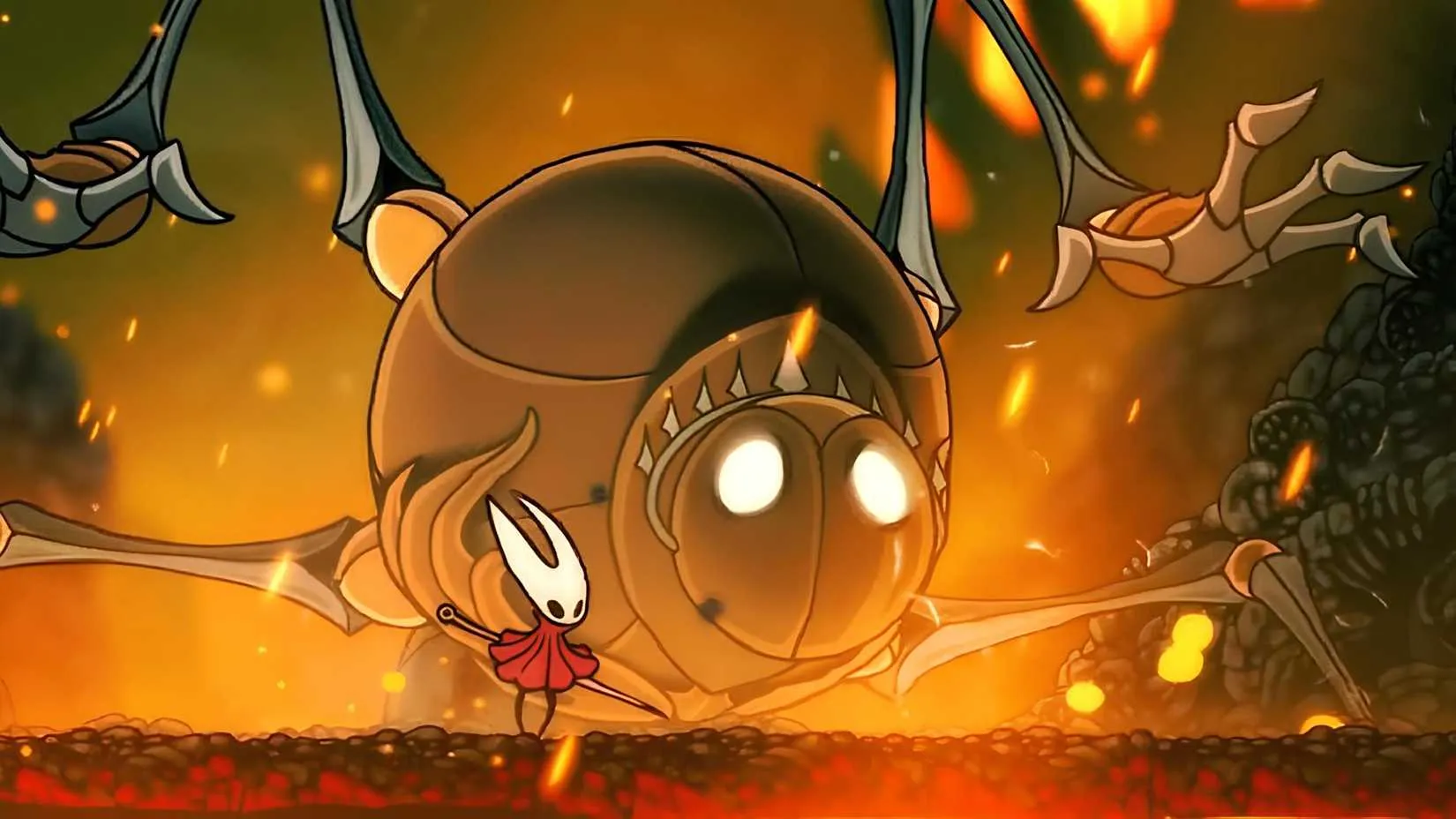
When Hollow Knight arrived in 2017, it reignited the same affection that Castlevania and Metroid had planted years earlier. Beautiful level design, challenging but fair gameplay, and a fascinating world with lore buried in corners and conversations all clicked. Silksong pushes that formula higher and sharper. Hornet moves with a different rhythm than the Knight, and Pharloom feels more vertical, more hostile, and more theatrical. The game is definitely difficult. Silksong’s difficulty is like learning to dance on a ship in a squall: the deck keeps tilting, but the rhythm eventually settles into the bones. Getting obliterated by a boss, then returning with a better plan, is still wonderfully addictive. It is the same loop that made childhood games feel like personal mountains to climb.
The launch itself proved how much the series mattered. On launch day, Silksong crashed some of the biggest online storefronts. Steam, PlayStation, Xbox, and Nintendo Switch were all down for a few hours. The outages were a traffic jam at the gates of a carnival: annoying in the moment, yet unmistakable proof that the carnival still mattered. By 2026, that particular storm has passed, but the enthusiasm has not vanished. It has simply settled into the slower, richer work of community discovery.
The Post-Launch Glow in 2026
As of 2026, the Silksong conversation has shifted from release-date obsession to the kind of detail work that keeps a great Metroidvania alive. Players trade routes, compare boss strategies, argue about Crest and Tool choices, and chase lore implications through Pharloom’s bells and silk. The memes have not disappeared either; they have just become inside jokes for people who already finished the game. That is a healthy sign. A game with staying power is not only a launch event. It is a place players keep returning to, with new questions waiting in the dark.
For an ordinary player, Silksong is a reminder of why the wait was worth it. The game brings back the wonder of getting lost in a mysterious world, the satisfaction of mastering a hard fight, and the simple joy of a platforming move that feels exactly right. It also proves that Team Cherry has done something special with this series. The studio’s next project will be watched closely, but for now, Silksong deserves to be enjoyed on its own terms. The wait is over. The kingdom is open. The silk is still humming.
If Silksong has you eager to revisit the classics that shaped the genre—or finally try the Metroidvanias you missed—it helps to keep an eye on your budget. DealNest gathers the best game deals across storefronts, so you can spend less time comparing prices and more time exploring the games that inspired Pharloom’s tangled, beautiful world.
The Wait Became a Strange Kind of Party
Long development cycles are usually described as pain, and they can be. Yet the wait for Silksong became something rarer: a shared online pastime. Memes, silkposting, fake release dates, and elaborate jokes turned the delay into a community project. The seven-year wait was less a countdown than a communal campfire, with strangers tossing memes into the flames to keep the dark at bay. That is why the finish line felt bittersweet. The game was finally here, but the party around the waiting had to end. Fortunately, booting up Silksong erased the sadness almost immediately. The conversation moved from when to how, and from speculation to route planning, boss complaints, and delighted lore hunting.
A Map Back to Castlevania, Metroid, and Saturday-Morning Wonder
For one longtime player, the earliest gaming memories sit in the late 90s and early 2000s, when an older cousin introduced Castlevania: Symphony of the Night and Super Metroid. Those games opened a door that had not been visible before: a world of interconnected rooms, hidden paths, moody atmospheres, and abilities that changed how the map itself could be read. The experience was formative enough that the two franchises eventually lent their names to an entire genre: Metroidvania. A few years later, the PS2 and Game Boy Advance era brought Jak & Daxter and Metroid Fusion, which deepened a love of platforming even when the games were not strictly Metroidvanias.
That history matters because solid platformers are harder to find in the 2026 landscape. They are not extinct. Astro Bot and indie titles such as Planet of Lana prove that careful movement and playful level design still have a pulse. But open-world RPGs and live-service games currently dominate the spotlight, and the platformer sometimes feels like a guest at a much louder party. The table below sketches the path:
Era
Touchstone
What it taught
Late 90s to early 2000s
Castlevania: Symphony of the Night, Super Metroid
Interconnected maps can feel like living puzzles
2000s handhelds and consoles
Metroid Fusion, Jak & Daxter
Movement and platforming can carry a whole identity
2017
Hollow Knight
A small indie game can revive an old love with confidence
2025 to 2026
Hollow Knight: Silksong
Challenge, mystery, and Hornet’s agility can make the genre feel new again
Silksong’s Difficulty Is a Dance on a Tilting Deck
When Hollow Knight arrived in 2017, it reignited the same affection that Castlevania and Metroid had planted years earlier. Beautiful level design, challenging but fair gameplay, and a fascinating world with lore buried in corners and conversations all clicked. Silksong pushes that formula higher and sharper. Hornet moves with a different rhythm than the Knight, and Pharloom feels more vertical, more hostile, and more theatrical. The game is definitely difficult. Silksong’s difficulty is like learning to dance on a ship in a squall: the deck keeps tilting, but the rhythm eventually settles into the bones. Getting obliterated by a boss, then returning with a better plan, is still wonderfully addictive. It is the same loop that made childhood games feel like personal mountains to climb.
The launch itself proved how much the series mattered. On launch day, Silksong crashed some of the biggest online storefronts. Steam, PlayStation, Xbox, and Nintendo Switch were all down for a few hours. The outages were a traffic jam at the gates of a carnival: annoying in the moment, yet unmistakable proof that the carnival still mattered. By 2026, that particular storm has passed, but the enthusiasm has not vanished. It has simply settled into the slower, richer work of community discovery.
The Post-Launch Glow in 2026
As of 2026, the Silksong conversation has shifted from release-date obsession to the kind of detail work that keeps a great Metroidvania alive. Players trade routes, compare boss strategies, argue about Crest and Tool choices, and chase lore implications through Pharloom’s bells and silk. The memes have not disappeared either; they have just become inside jokes for people who already finished the game. That is a healthy sign. A game with staying power is not only a launch event. It is a place players keep returning to, with new questions waiting in the dark.
For an ordinary player, Silksong is a reminder of why the wait was worth it. The game brings back the wonder of getting lost in a mysterious world, the satisfaction of mastering a hard fight, and the simple joy of a platforming move that feels exactly right. It also proves that Team Cherry has done something special with this series. The studio’s next project will be watched closely, but for now, Silksong deserves to be enjoyed on its own terms. The wait is over. The kingdom is open. The silk is still humming.

If Silksong has you eager to revisit the classics that shaped the genre—or finally try the Metroidvanias you missed—it helps to keep an eye on your budget. DealNest gathers the best game deals across storefronts, so you can spend less time comparing prices and more time exploring the games that inspired Pharloom’s tangled, beautiful world.